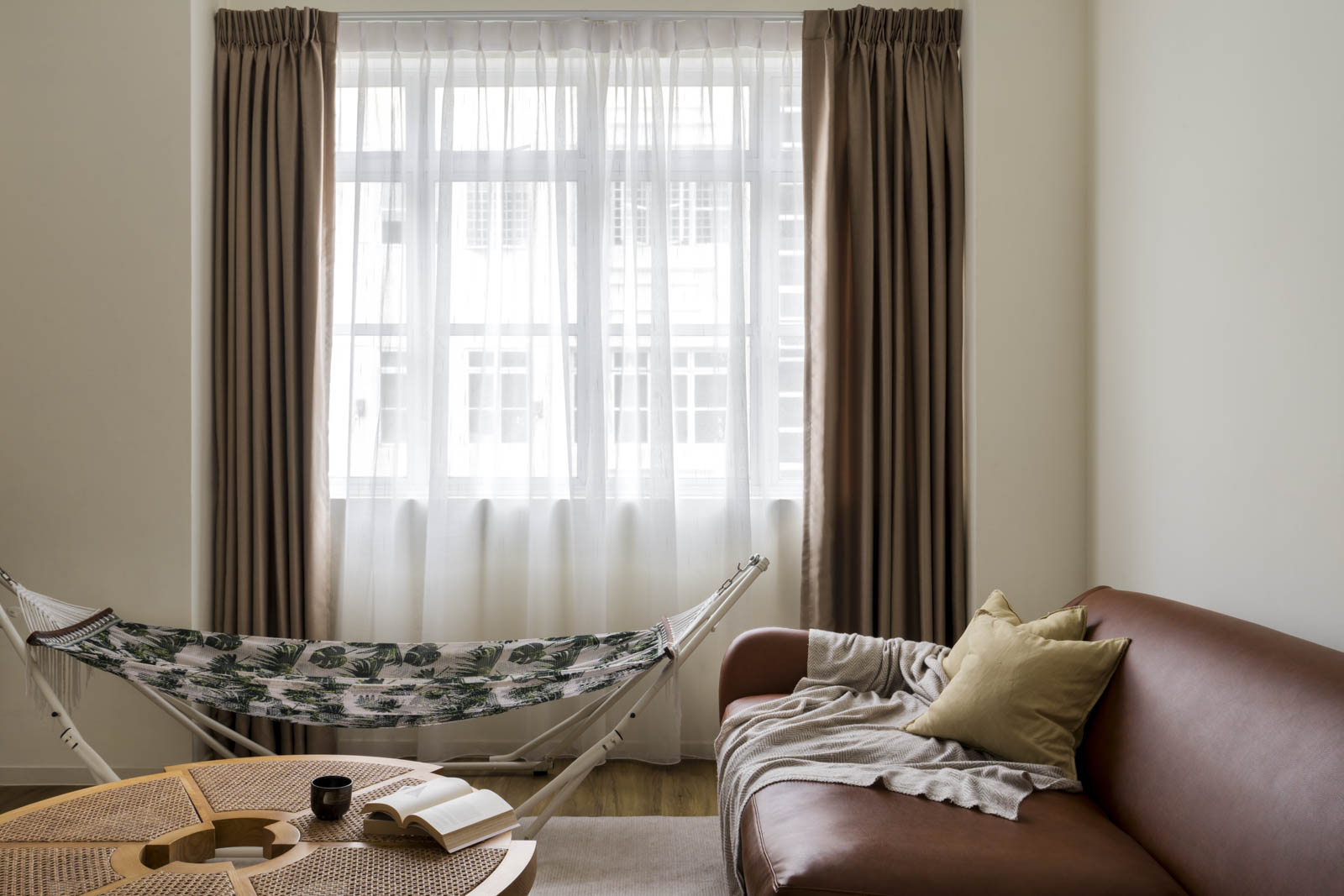
C.C
Address: Kingston Terrace
Project styling:
A Terracotta Palette
Kingston Terrace is a 25-year-old freehold condominium. Given the age of the development, the renovation required closer inspection, careful planning and greater attention to the existing site conditions.
The project also presented an operational challenge. Childcare and tuition centres occupy the ground floor, which meant that renovation noise could disrupt their daily activities. In particular, noisy works had to stop between 1:00 pm and 3:00 pm to accommodate the children’s afternoon rest period.
I incorporated this restriction into the project schedule and communicated it clearly to every contractor involved. Noisy activities were planned outside the restricted hours, while quieter tasks continued where possible. This allowed the renovation to progress efficiently while respecting the needs of the surrounding businesses and building users.

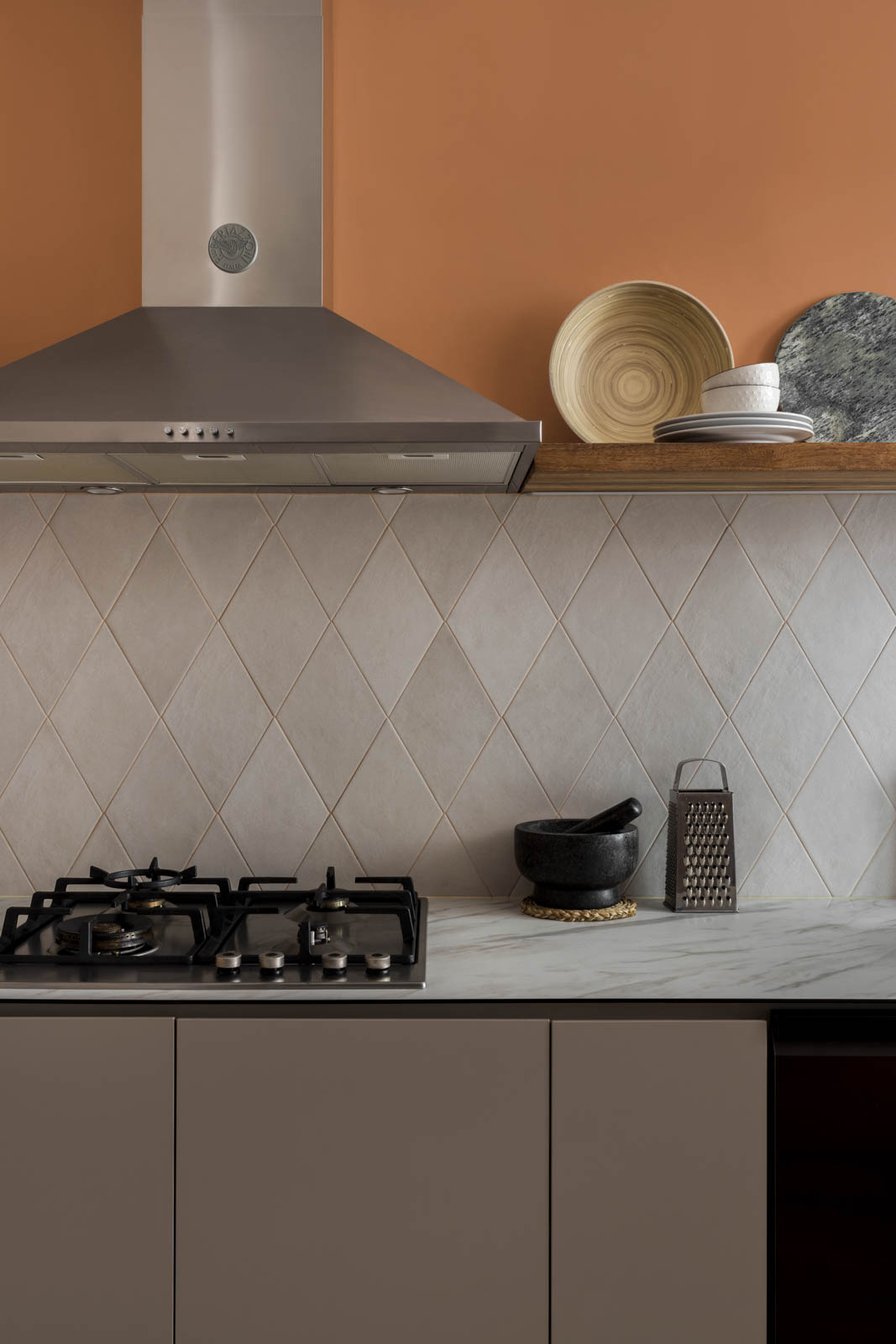
The design was developed around a terracotta-inspired palette, bringing together warm clay tones, soft neutrals and natural textures. Rather than using terracotta as a single feature colour, its earthy character was carried throughout the home to create a calm, inviting and cohesive atmosphere.
This warmth also complements the homeowner’s creative personality. As someone who enjoys origami, she handcrafted a lampshade using folded paper. When illuminated, the paper gently diffuses the warm light, while its geometric folds create subtle variations of light and shadow.
More than a decorative feature, the lampshade brings a personal story into the space. Its handmade quality adds softness and individuality to the interior, balancing the practical elements of the home with a sense of creativity and craft. Together with the terracotta palette, it helps create an environment that feels warm, expressive and distinctly hers.
Opening Up the Ceiling
The homeowner wanted a generous living area with a greater sense of height and openness. As condominiums commonly conceal services above false ceilings, removing the existing ceiling presented an opportunity to reveal the unit’s original ceiling height.
However, the decision was not as straightforward as simply removing it. Before proceeding with demolition, several concealed conditions had to be considered:
- Whether exposed pipes or services would remain visible
- Whether the existing air-conditioning ducts could be removed or rerouted
- Whether structural beams would interrupt the ceiling profile
- Whether the exposed slab would require extensive rectification
As the building was approximately 25 years old, I approached the MCST to enquire about the original drawings. Unfortunately, no relevant records were available, leaving us without a clear picture of what was concealed above the ceiling.
To manage the uncertainty, the demolition team created several small inspection openings at selected corners. This allowed us to examine the space before committing to the full removal. Fortunately, there were no major obstructions. The exposed surface was generally bare and required only screeding, plastering and finishing works.
Removing the false ceiling immediately gave the living and dining areas a stronger sense of volume. The additional height made the home feel more spacious and created a better backdrop for the furniture and lighting features.
Color Splashes
With the architecture opened up, I wanted to introduce a colour that felt distinctive while remaining warm and liveable. Instead of following the neutral palettes commonly seen in contemporary homes, we selected a deep terracotta tone extending from the dining wall into the kitchen.
The continuous colour visually connects both areas and gives the home a stronger identity. Its earthy warmth complements the homeowner’s furniture, décor and handmade origami lampshade, while creating a striking contrast against the open ceiling and surrounding finishes.
This became the defining element of the interior—a practical, budget-conscious design decision that transformed the atmosphere of the entire space.


Defining the Style
During our initial discussions, the homeowner gravitated towards a soft and feminine aesthetic, although she had not yet settled on a specific design style. Her clearest preference was for a terrazzo-inspired bathroom.
Using this as a starting point, I proposed a combination of muted pink walls and terrazzo-patterned bathroom tiles. For the kitchen cabinetry, we selected a more understated finish with a subtle mauve undertone. This kept the interior cohesive without making the colours feel overly strong or thematic.
As the design developed, we eventually defined the concept as A Terracotta Palette.
The style allowed us to balance the softer colour choices with warmer earth tones, natural materials and slightly raw textures. It also created a more versatile and welcoming environment for both the homeowner and her guests.
At Hafary, we found a tile that brought these ideas together. It featured a textured, concrete-like base with scattered terrazzo fragments, giving it a slightly rugged character while retaining the visual detail the homeowner wanted. In the common bathroom, the tile paired beautifully with the terracotta laminate, creating a warm and cohesive composition.
To strengthen the natural quality of the concept, the original open shelving was replaced with solid timber planks, professionally installed by Timber Actually. Our carpenter also coordinated the recessed slot for the integrated LED lighting.
The completed combination of terracotta, terrazzo, concrete textures and natural timber gave the home its final identity—warm and expressive, with a subtle rawness that kept the interior contemporary rather than overly feminine.


A Personal Housewarming Gift
Using leftover timber from the project, I created a set of three candle stands in varying heights as a housewarming gift for the homeowner.
Each piece was assembled using nails and wood adhesive before being finished with a protective varnish. The different heights created a simple sculptural composition, while the natural wood complemented the warm materials used throughout the home.
It was a small but meaningful way to repurpose the remaining materials and leave the homeowner with something handcrafted specifically for her new space.

